How to Dockerize your ASP.NET Core app directly from Visual Studio
I'm a software consultant who loves to build projects and share my learnings on this blog.
Search for a command to run...

I'm a software consultant who loves to build projects and share my learnings on this blog.
No comments yet. Be the first to comment.
Azure Functions is a powerful serverless compute platform, and Azure App Service handles a lot of the underlying configuration for you out of the box. However, there are scenarios where you may want t

If you’ve been exploring Azure AI learning paths or watching older demos, you’ve probably run into something confusing: The documentation and training links often reference Foundry (Classic) But the portal you’re using today might show Foundry (New...

In today's digital age, speed is paramount for web and mobile applications. Users expect instantaneous responses, and any delay can lead to a poor user experience and loss of engagement. Therefore, as developers, it's crucial to build web APIs that a...

Loops are fundamental constructs in any programming language. But have you ever wondered if there are any performance differences between them? For small collections, the difference might be negligible, but what about handling a million or 10 million...

When using an Azure Function app, it is necessary to connect it to a storage account, often referred to as Host storage. This storage is utilized by the Functions runtime, as well as by various triggers and bindings to coordinate between multiple run...

In this article we will see how to add docker support to ASP.NET core app directly from Visual Studio with just 3 Clicks without manually creating or writing any code to Dockerfile.
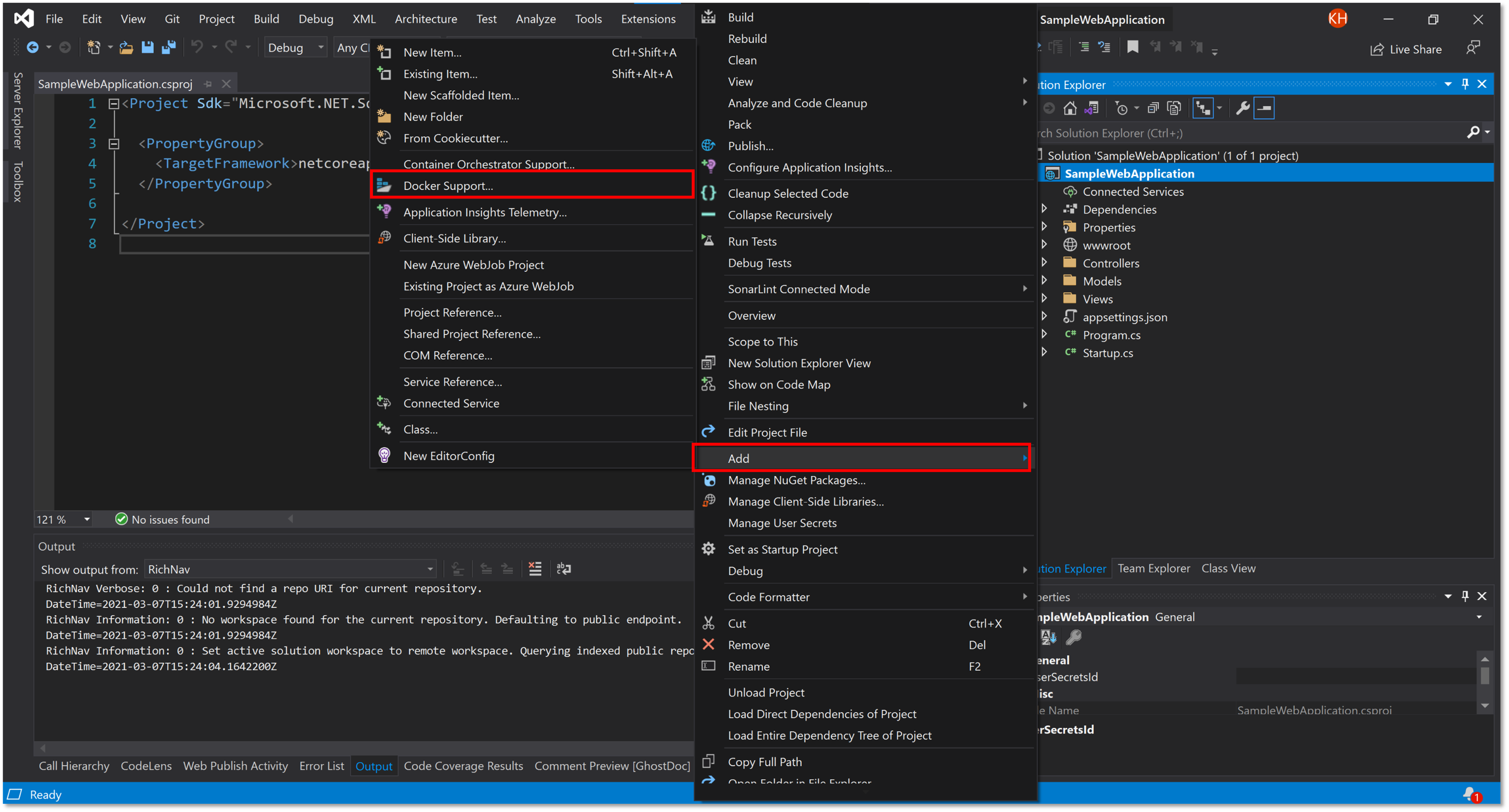
Add -> Click Docker Support

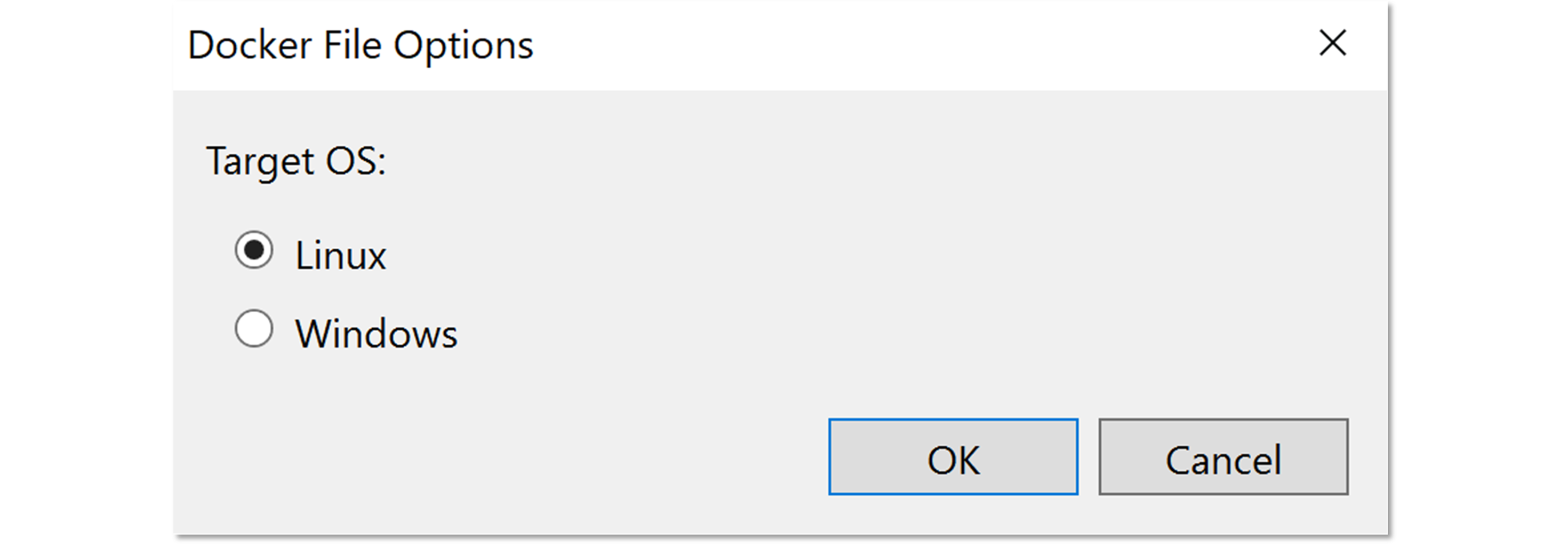
Windows / Linux, and click OK

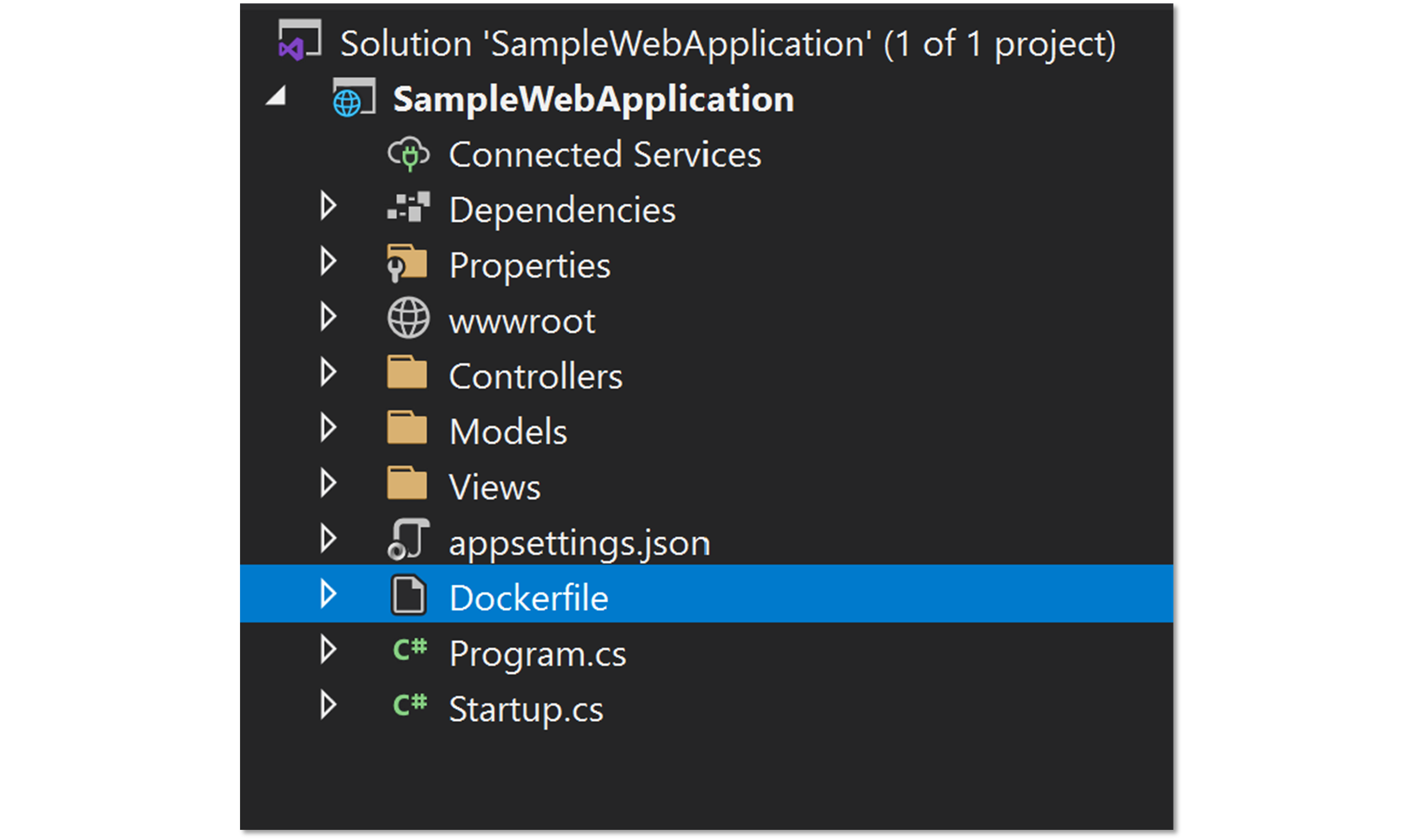
Visual Studio will create a Dockerfile for you, which specifies how to create the container image for your ASP.NET Core app project.
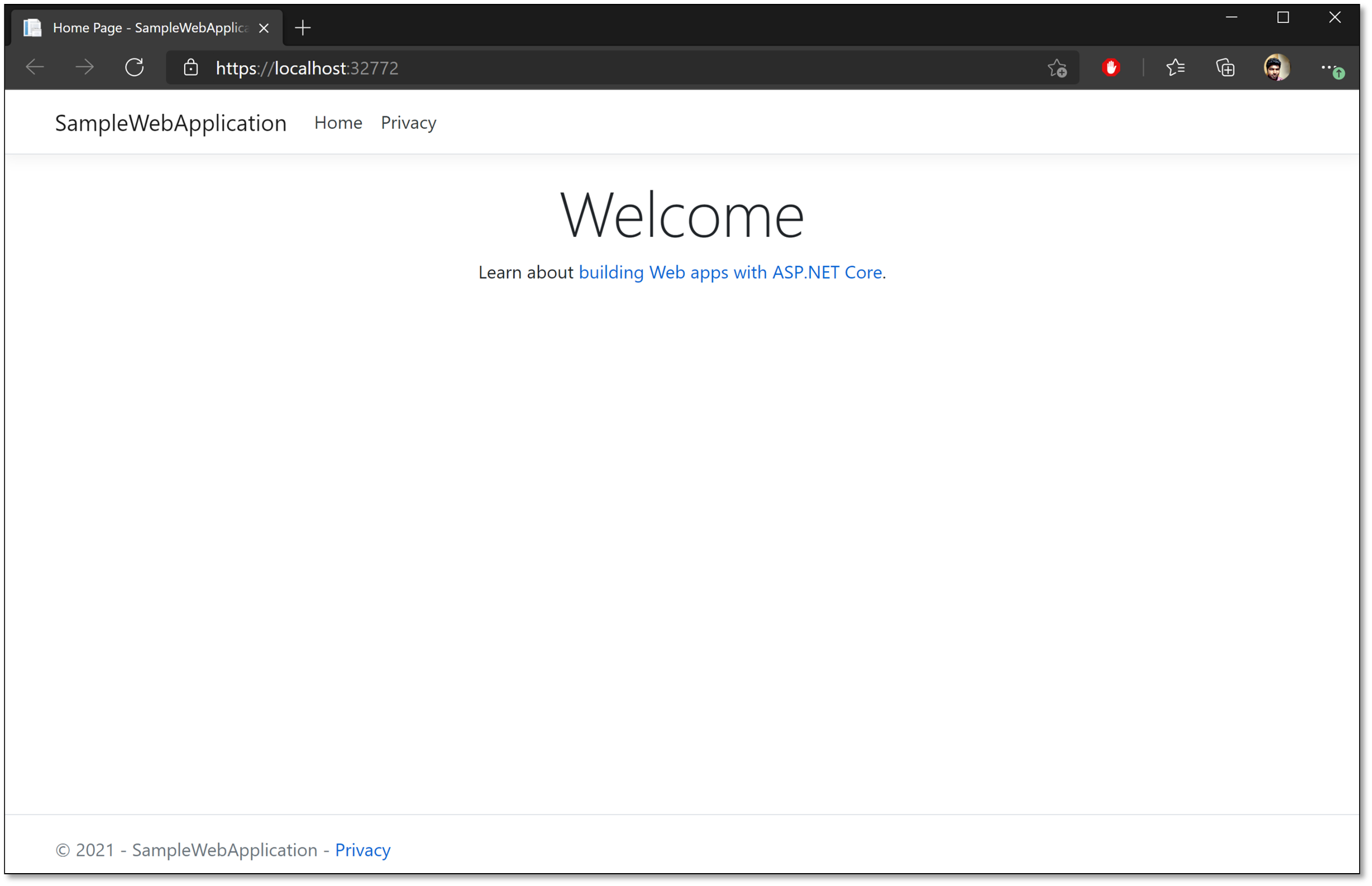
Click on the Docker button to build the image and run it inside a Docker container, rather than in IIS Express.

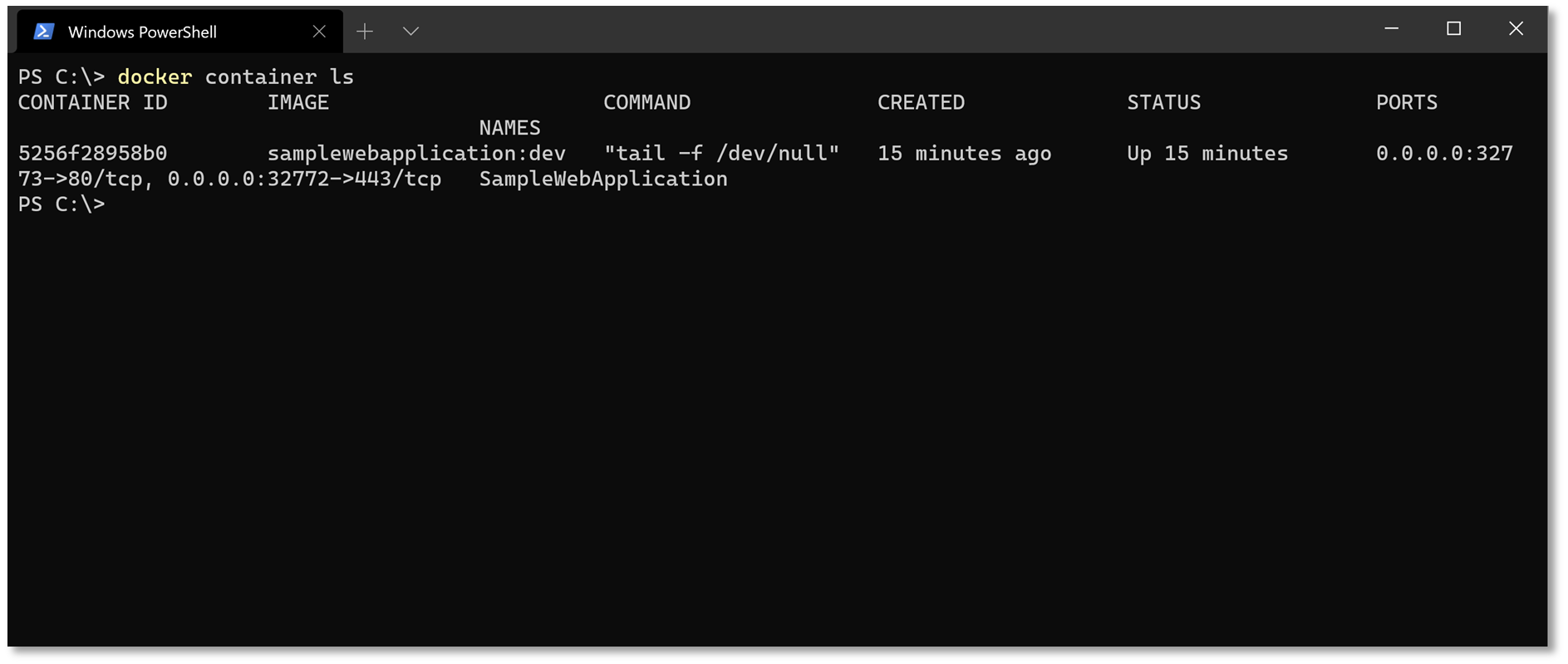
You could verify that your container is running using the Docker command-line tools; open a cmd or Terminal and type in docker container ls to view the containers.

That's it, you have successfully added Docker support to your ASP.NET core app and your app is now running inside a Docker container.